
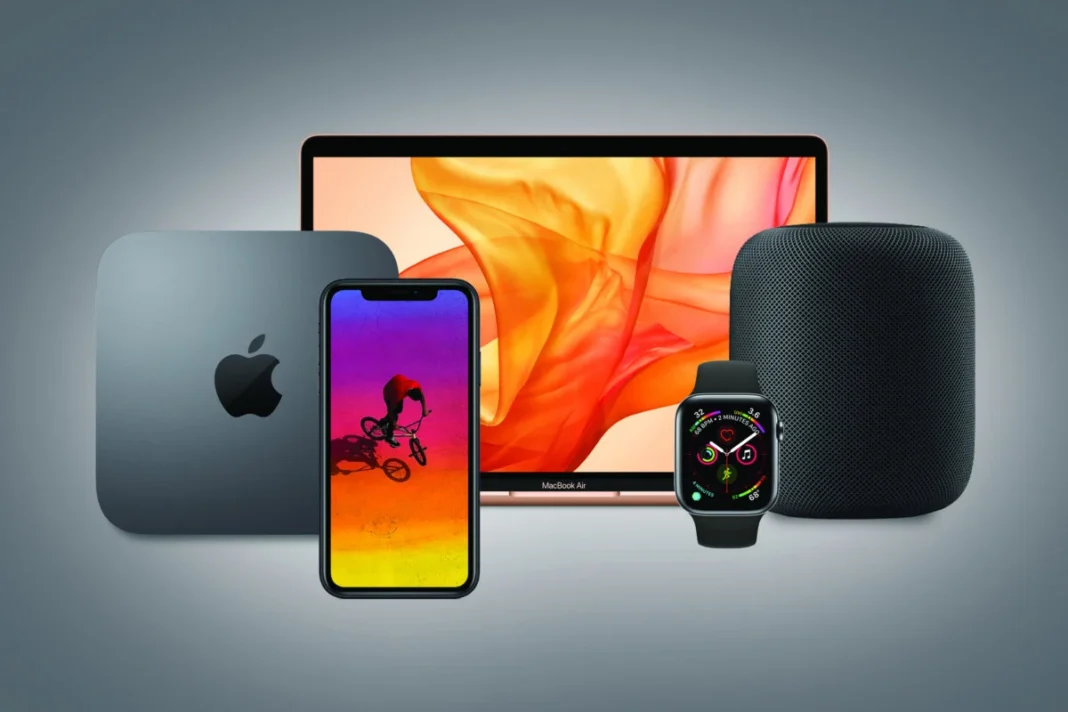

An increase in the retail pricing of iPad and MacBook product lines was implemented by Apple on Thursday, with the clarification being issued that consumers could no longer be shielded from the escalating expenditures associated with memory and storage components. This inflationary pressure has been driven primarily by the extensive data center infrastructure buildout currently being undertaken across the artificial intelligence sector. While the primary revenue-generating iPhone lineup remains unaffected by these immediate adjustments, the introductory cost of the MacBook Neo, which represents the lowest-priced laptop designed to capture market share from affordable Windows and Chromebook devices, was raised from $599 to $699 only months after its initial launch.
It is demonstrated by this pricing correction that even the most valuable consumer electronics corporation in the world, possessing highly advantageous supply chain relationships, is not insulated from a profound surge in semiconductor costs. This development has consequently dampened the broader economic outlook for global smartphone and personal computer sales. In recent months, order fulfillment has been prioritized by prominent memory manufacturers, such as Micron, toward artificial intelligence hardware developers like Nvidia, which has enabled record profitability for those chipmakers while severely constraining the inventory available to consumer electronics manufacturers. It was noted in an official statement by the corporation that a component cost escalation of this magnitude and velocity had never previously been witnessed, necessitating the transfer of these expenses to the consumer marketplace.
According to the updated configurations published on the corporate platform, the pricing for a MacBook Air configured with 512 gigabytes of storage was elevated to $1,299 from $1,099, while the MacBook Pro featuring one terabyte of storage was increased to $1,999 from $1,699. Similarly, the entry point for the 128-gigabyte iPad Air was adjusted upward from $599 to $749, with corresponding price elevations being applied to both iterations of the HomePod smart speaker and the Apple TV peripheral device. Following these announcements, a contraction of nearly five percent was experienced in the equity value of the corporation, while shares of its competitor, Dell, suffered a decline exceeding eight percent.
It is anticipated by industry analysts that rival hardware manufacturers may be compelled to execute even more drastic pricing adjustments, given that the extensive supplier networks of Apple have partially cushioned the initial impact. The structural difficulties embedded within the contemporary memory procurement environment were highlighted by Ben Bajarin, the chief executive officer of Creative Strategies, who indicated that these conditions would persist for the foreseeable future. Internal acknowledgments of these challenges had previously been shared during an April financial conference, where it was indicated by Chief Executive Officer Tim Cook that while existing inventories had temporarily sustained gross margins, an increasing operational impact from rising component expenses would be felt beyond the conclusion of the June quarter.
Although specific mitigation strategies beyond the immediate pricing adjustments were not disclosed by the corporation, tireless efforts to identify long-term supply solutions were promised. Financial market specialists expect that the iPhone lineup will inevitably be subjected to similar pricing hikes in the subsequent months, which could prompt prospective buyers to accelerate their purchasing timelines. A strategic motivation behind the timing of these announcements was identified by Nabila Popal, a senior research director at IDC, who observed that the disclosure of these price adjustments prior to the traditional autumn product launch ensures that public attention remains focused on product utility rather than escalating costs.
The underlying volatility of the semiconductor market is reflected in data provided by industry tracker TrendForce, which indicated that the cost of dynamic random-access memory experienced a rise of up to 98 percent during the first quarter of 2026, with an additional escalation of 58 percent to 63 percent projected for the current period. This unprecedented phenomenon, frequently characterized by market experts as a severe supply disruption, has been exacerbated by aggressive capacity procurement by enterprise entities. A profound contraction in global hardware shipments is expected to result from these macroeconomic headwinds, with annual declines of nearly 14 percent for the smartphone market and 11.3 percent for the personal computer industry being projected by research firm IDC. Consequently, the competitive advantage previously maintained by products such as the MacBook Neo over comparable Windows-based devices has been diminished, shifting the market dynamics within the affordable computing segment.